
Post-Surgical Recovery: Understanding Surgical Drains
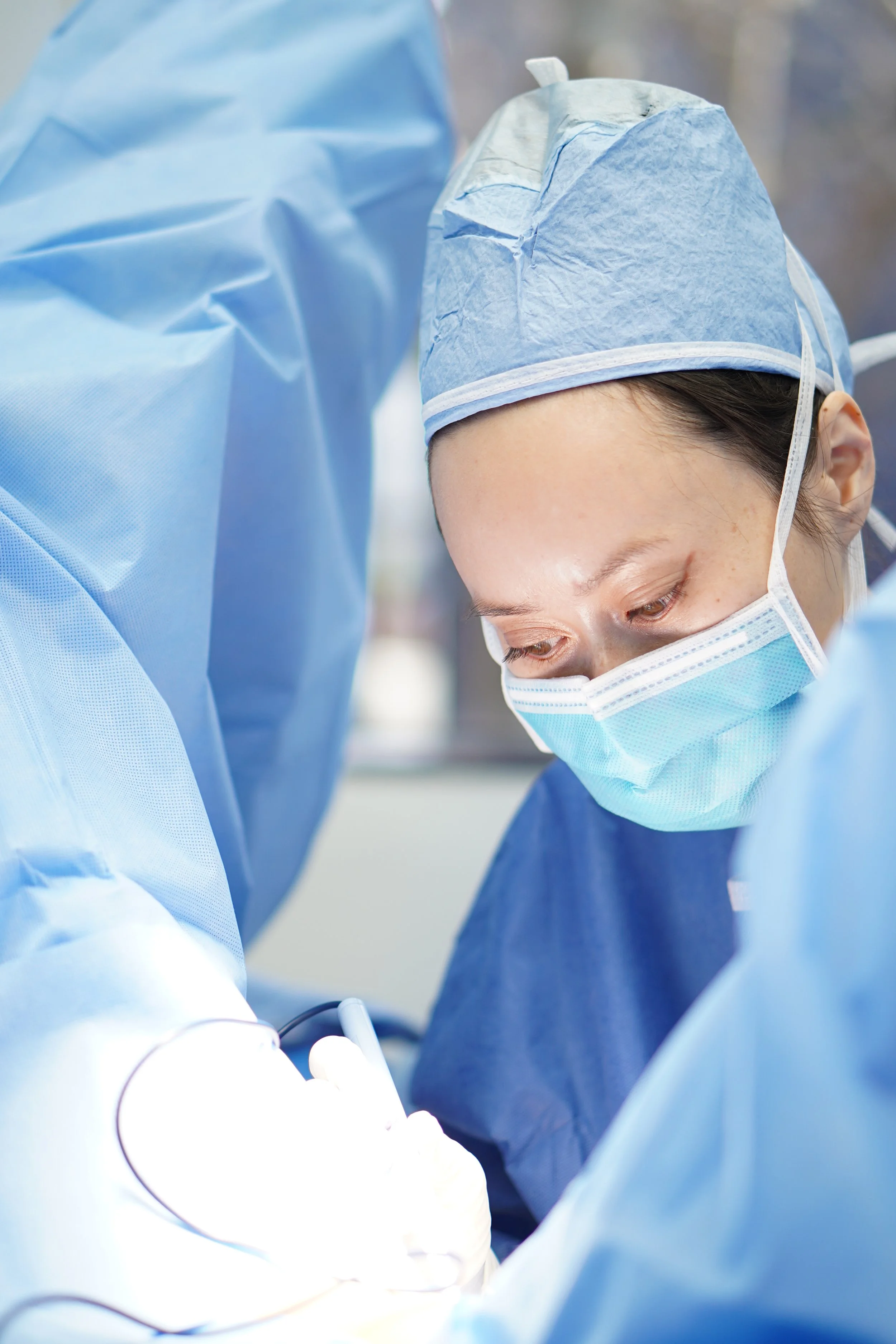
After certain surgeries, swelling and fluid buildup are a normal part of the healing process. To help the body recover smoothly, Dr. JoAnna Nguyen will often place surgical drains—a simple but essential tool that supports healing, reduces edema, and protects the results of your procedure.
While drains may feel unfamiliar at first, understanding how they work—and how to care for them—can make your recovery easier, more predictable, and more comfortable.
Why Surgical Drains Are Used?
Surgical drains help remove excess fluid that collects under the skin after surgery. This reduces swelling, lowers the risk of complications, and helps your final results appear more clearly.
Dr. Nguyen commonly uses drains for surgeries such as:
Brachioplasty (arm lift) — in certain cases
Abdominoplasty (tummy tuck) — in certain cases
When you wake up from surgery, you may see one or more thin tubes attached to a small bulb. This is your drainage system—safe, simple, and designed to support your healing.
How Surgical Drain Works
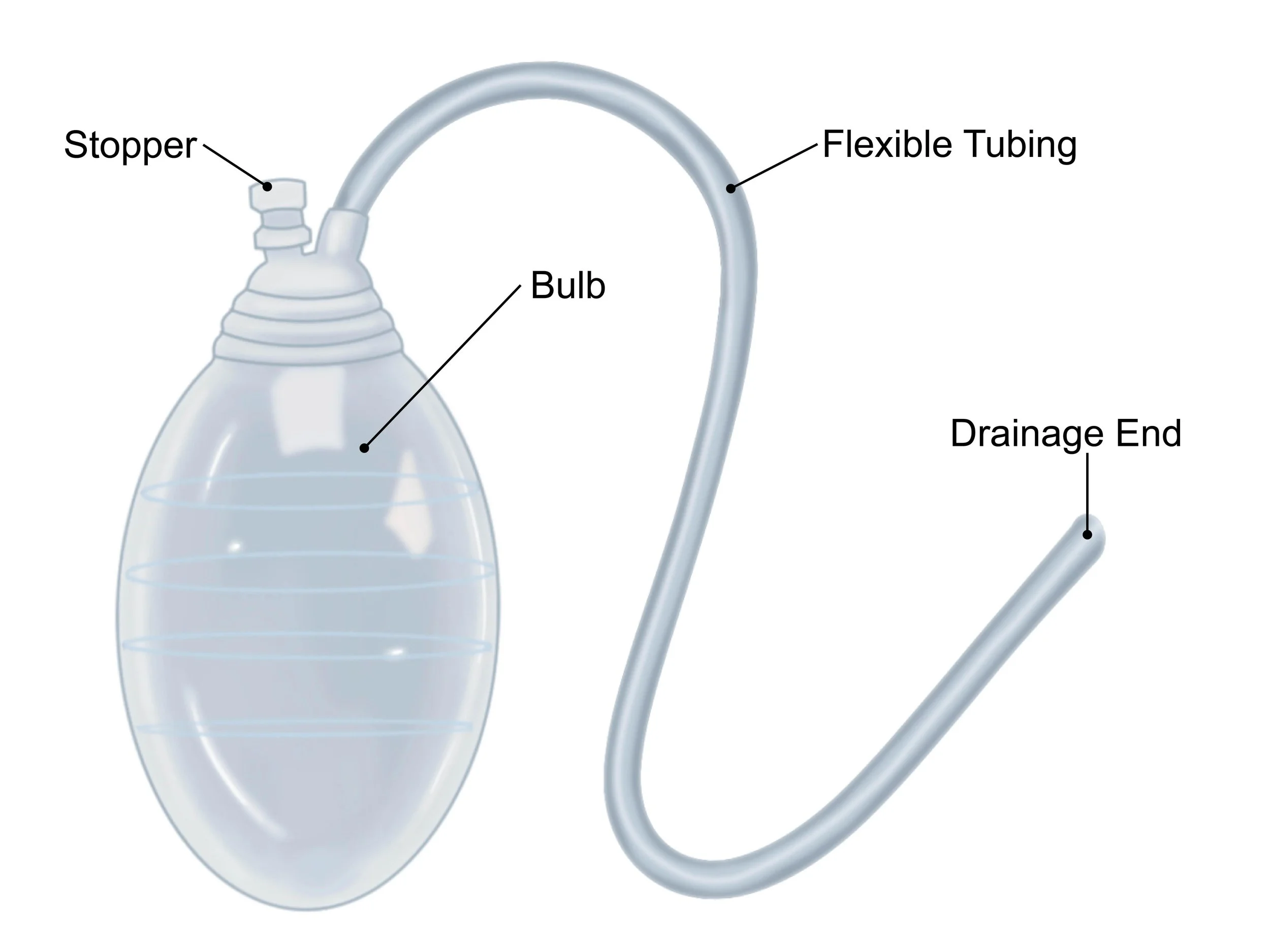
A surgical drain is a closed system, meaning one end of the tube sits inside the surgical area while the other connects to a drainage bulb. Inside the body, the tubing has small holes or channels that collect fluid, and you may notice black dots along the tube—these markers help Dr. Nguyen assess how much of the drain remains inside and ensure it hasn’t shifted.
Outside the body, the bulb (often called the “grenade”) provides suction when compressed; a properly functioning drain will have a flattened or concave bulb, indicating that suction is active. As the bulb begins to fill, the fluid you see is typically pink or reddish in the early stages of healing and gradually becomes clearer over the next several days.
Tips for Living Comfortably With Your Drains
Keep tubing secured so it does not pull or tug.
Avoid placing tension on the drain site when moving or changing clothes.
Dr. Nguyen typically leaves enough tubing length so you can tuck the bulb into clothing pockets for discreet comfort.
Always notify the office if the bulb stops holding suction or if the tubing appears dislodged.
Caring for Your Drains
Caring for your drains helps them work efficiently and keeps your recovery on track. It prevents clogging, maintains suction, and supports a comfortable healing experience.
Two key parts of drain care are stripping the tubing and emptying the bulb. Learn more about how to care for your drains from Dr. Nguyen LINK YOUTUBE.
Strip Your Drains
Stripping (or “milking”) the tubing keeps it clear so fluid can travel easily into the bulb.
You will need:
Alcohol swabs
Or hand sanitizer with gloves
Steps to Strip Your Drains:
Wash your hands
With your nondominant hand, gently pinch the tube as close to the skin as possible.
Using your dominant hand, slide an alcohol swab—or gloved fingers coated in hand sanitizer—along the tubing toward the bulb.
Keep the nondominant hand steady so the tubing does not pull outward; this prevents discomfort and protects the incision.
Strip the tubing before emptying the bulb to make sure everything is functioning well.
This should be a smooth, gentle motion. You should never feel sharp pulling or resistance.
Empty the Bulb & Record Your Drain Output Daily
Draining and recording your bulb output is essential. Keeping the timing consistent helps you track your 24-hour output accurately. Dr. Nguyen recommends emptying your drains twice a day, ideally:
Morning
Evening
Steps to Empty the Bulb:
Open the tab on the bulb to release suction.
Pour the fluid into a collection cup or directly measure using the markings on the bulb.
Write down the exact amount for each drain separately—each drain has its own output.
Re-compress the bulb fully before closing the cap; this reactivates suction.
Fluid amounts naturally decrease over time. For Dr. Nguyen, drains are typically ready for removal when output is less than 30 cc per drain for two consecutive days. She provides a drain output log for patients to fill out during their recovery—this helps guide follow-up decisions and ensures your healing is progressing as expected.
Supporting a Smooth Recovery
Surgical drains may feel new at first, but with proper care, they become a simple and manageable part of the healing process. With proper drain care, swelling can be minimized and healing becomes more predictable, allowing your final results to take shape. During your postoperative visits, Dr. JoAnna Nguyen will monitor your progress and advise you when your drains are ready to come out.
If you’re considering surgery, explore Dr. Nguyen’s procedure gallery to learn more about your desired procedure, or, see some of her amazing transformations in the office gallery.
Dr. JoAnna Nguyen is now accepting most PPO insurance plans for eligible surgical procedures. If you’ve been considering surgery and have a PPO policy, our team will work with you to determine whether your procedure may be partially or fully covered.